
Published on

About Us
Lorem ipsum dolor sit amet, consectetur elit, sed do eiusmod tempor incididunt ut labore et magna aliqua.
Get a free quote
Climate Adaptation: Lessons from Papua Shared at the APMEN 2026 International Forum
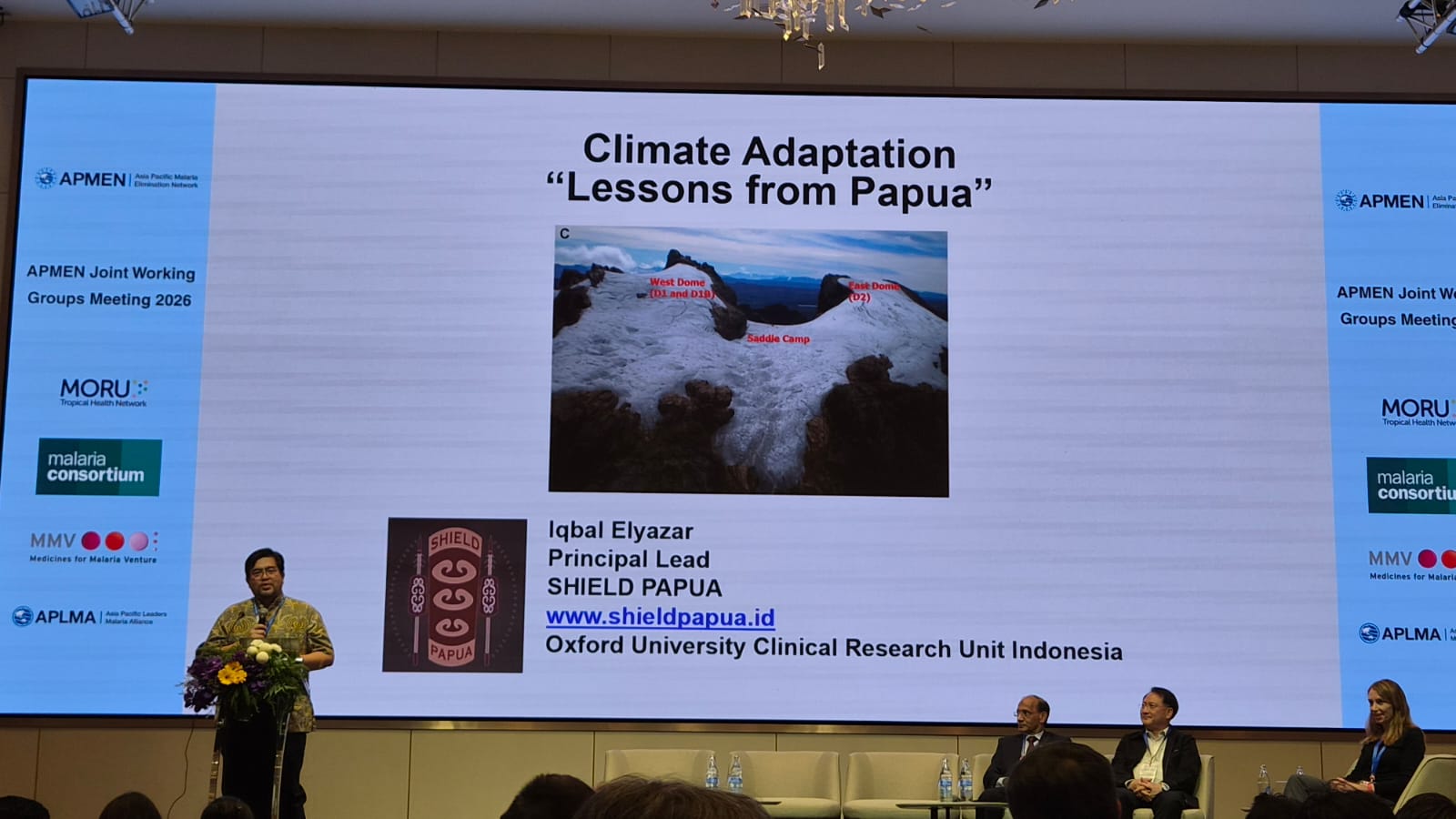
The intricate link between climate change, environmental modification, and the dynamics of vector-borne diseases emerged as a crucial topic during the APMEN Joint Working Groups Meeting 2026. Amidst the growing challenges of global warming, a profound understanding of how environmental factors influence malaria transmission is key to developing more resilient and adaptive elimination strategies.
A dedicated session on climate and environmental change explored the projected impacts across Southeast Asia and the necessary adaptation priorities for endemic countries. The primary focus remained on integrating climate data into disease modelling to predict risks and optimise field interventions effectively.
During the conference held in Bangkok, Thailand, from 27–30 April 2026, Dr. Iqbal Elyazar attended as a keynote speaker in the "Climate, Environmental Change and Vector-Borne Diseases" session. He delivered a presentation titled "Climate Adaptations: Lessons from Papua", sharing practical experiences and spatial epidemiological research from Papua in addressing climate challenges within malaria programmes. Meanwhile, Dr. Lenny Ekawati participated as an attendee, actively engaging in strategic discussions regarding the integration of health and environmental policies.
The meeting is expected to strengthen cross-border collaboration in the Asia-Pacific region to tackle zoonotic threats and environmental shifts. The synergy between technical expertise from specialists like Dr. Iqbal Elyazar and the active participation of researchers like Dr. Lenny serves as a vital step in maintaining the momentum towards a malaria-free region.
Tags:

Tags: